
I’ve lived in California, Oregon, Florida and Nevada, and none of those states has a singular cuisine that is wholly its own. Today, in the first of a series of articles on why I love New Mexico, we’ll be exploring the cuisine that is identified as “New Mexican Cuisine.”
Roots and Influences
New Mexican cuisine is a varied blend of the foods of Mexico, Spain, and the indigenous peoples of the area, primarily the Puebloans and the Navajo.
Prior to the arrival of the Spanish in the 1600s, the Native Americans subsisted on the agriculture that was available to them: corn, chile, beans, squash and more. When the Spanish arrived, they brought wheat, rice, beef, lamb among other foods and flavors. New Mexico has taken the best of these for an interesting blend of not-quite-Mexican, not-quite-Native American, not-quite-Spanish cuisine that is sometimes spicy, sometimes savory and all the time delicious!
Chili Chilly Chile
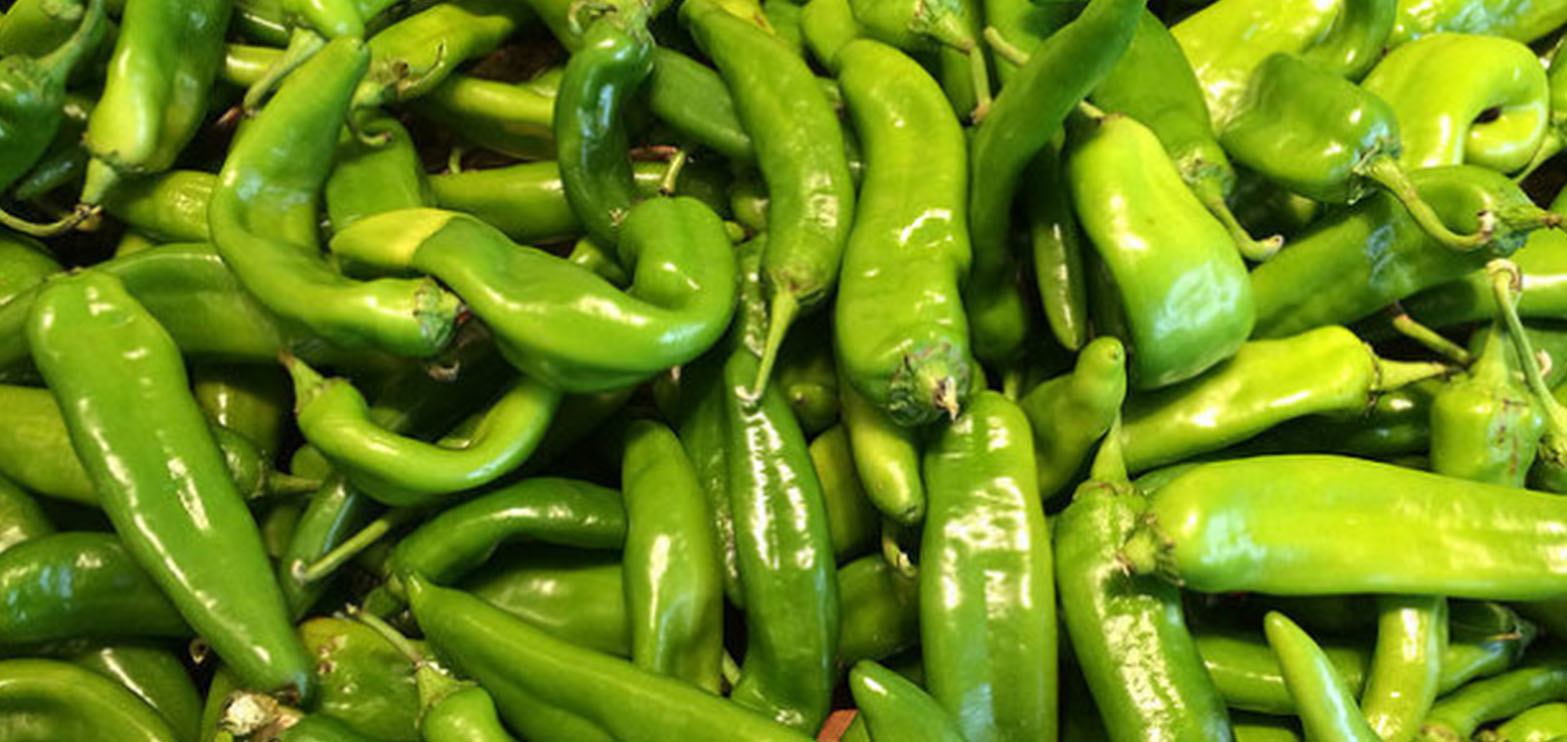
Indisputably, the specific food item New Mexico is most famous for is the green chile. The smooth, green fruit can be anywhere from smoky-mild to blisteringly spicy, and can be found on specialized New Mexican foods all the way up to basic American cheeseburgers. The fruits are typically roasted until the skin is charred, then bagged, allowing the steam to loosen the skin from the meat of the fruit. As the green chile season is very short, from mid-August to late September, most New Mexicans will buy their year’s worth and bag and freeze the chiles to hold them over until the harvest the next year. In 2020, I only bought a bushel, instead of my normal 40 pound sack, and am now down to my last three quart sized bags. Sadness.
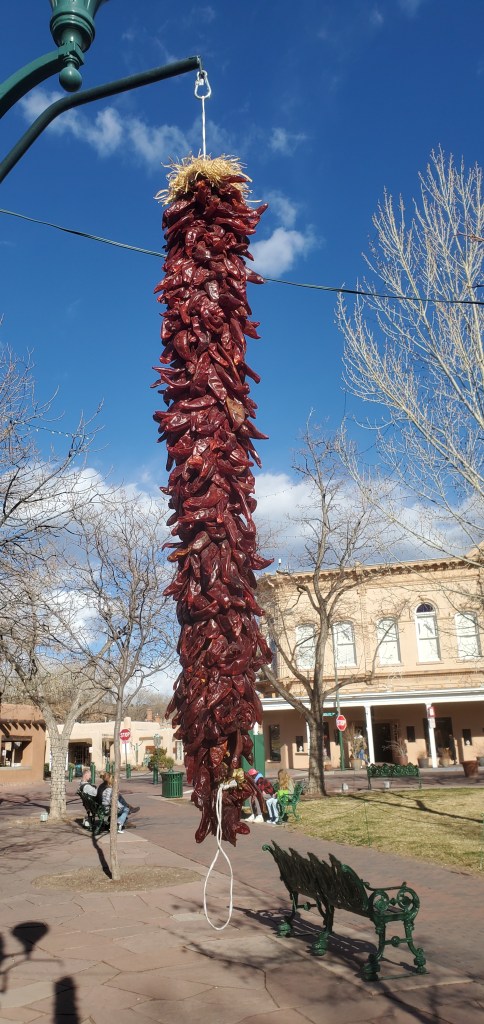
If left to ripen before harvest, the chiles will turn red. The red chiles are usually dried before use. The most common method of drying the red chiles is stringing them together into a ristra and hung outside to dry, and are often used as a decorative element in southwest decor.
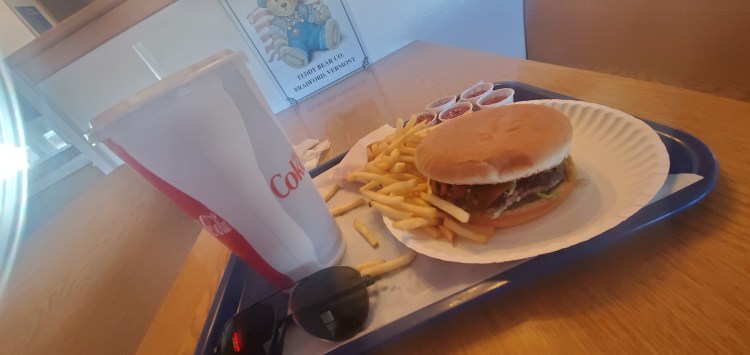
While the green chile is most often associated with the village of Hatch in Southern New Mexico, it’s really grown pretty much state-wide. Something about the conditions of the soil and the climate, and… well, I don’t know I’m not a farmer or a botanist. All I know is that I love it! In fact, the New Mexico board of tourism website is home of the New Mexico Green Chile Cheeseburger Trail that I’m so intent on finishing.
Green chile is also commonly found in dishes like enchiladas and green chile stew (one of my winter-time staples) and can be used for chiles rellenos, a roasted green pepper that’s been stuffed with cheese then breaded in an egg batter before being deep fried. Yum!
Green chile is also commonly found in…
Breakfast Burritos
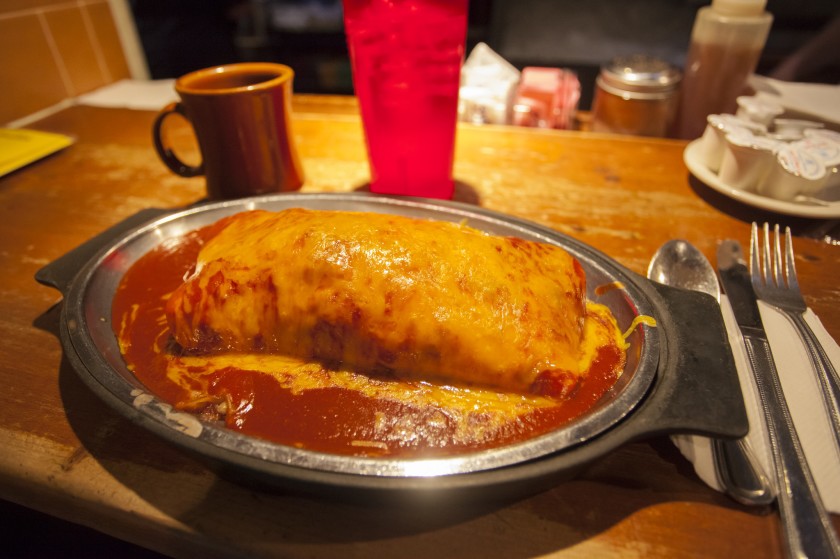
While “burritos” have been around possibly since the late 19th century, New Mexico can lay claim to the creation of the breakfast burrito. Typically filled with traditional breakfast fare, such as potatoes, eggs, meats (such as bacon, sausage, or chorizo, among others), and cheese, it just wouldn’t be a New Mexican breakfast burrito without green chile.
In many places, you can have your breakfast burrito smothered in chile, either red or green, or Christmas (both red AND green), and cheese melted over the top.
Breakfast burritos are such an important part of the state that New Mexico’s website also includes a Breakfast Burrito Byway, akin to the Green Chile Cheeseburger Trail.
Huevos Rancheros
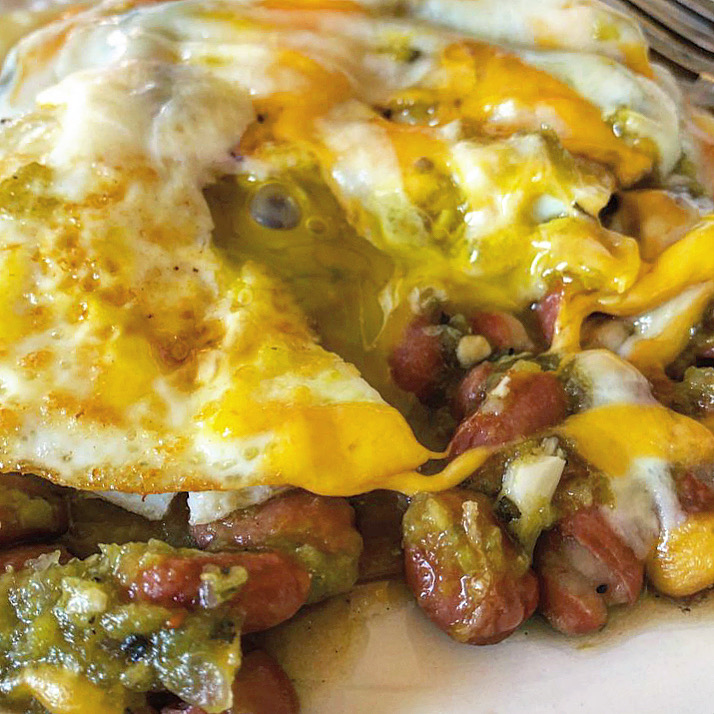
While we’re on the subject of breakfast, I’d be remiss to not talk about huevos rancheros. Originating on Mexican ranches as a sort of “second breakfast” for ranchers, Huevos Rancheros vary wildly from region to region, dependent on local cultures and culinary styles. In New Mexico, you’ll most commonly see it prepared with crispy fried tortillas spread with refried beans, topped with fried eggs and chile, and sprinkled with cheese.
You can fairly judge how good a restaurant is based on the reputation of their huevos rancheros. It’s often said that The Range Cafe serves the dish best. So far, I’m inclined to agree.
On a side note, on one of our recent trips to Colorado, I had Coloradan huevos rancheros and was startled at the dish I was served. I didn’t like it.
Sopaipillas
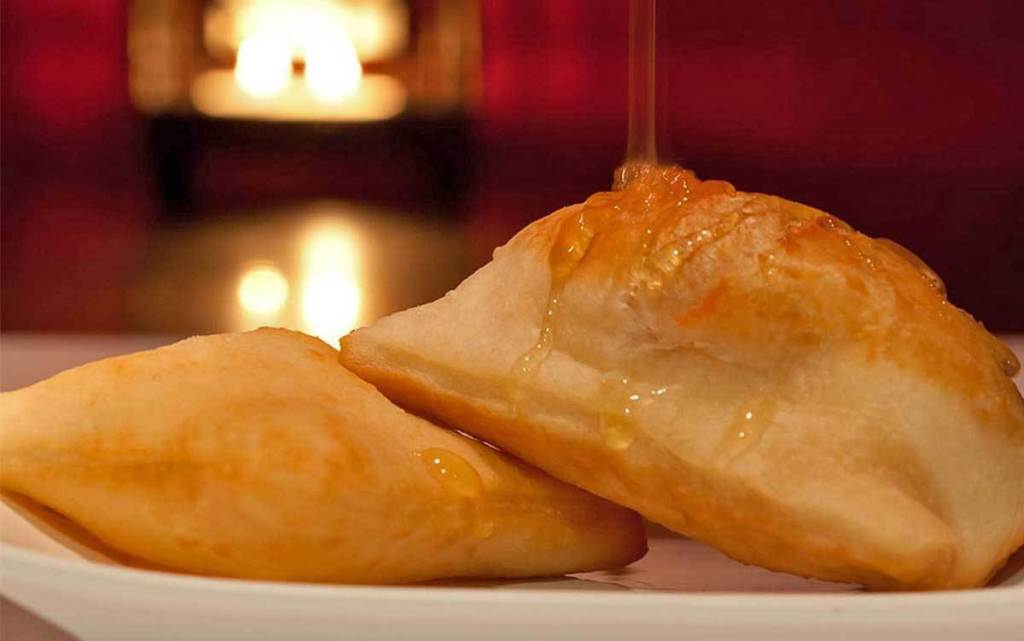
The first time I’d ever heard of sopaipillas, I thought they were trying to say “sopes” which is a more traditional Mexican dish, usually compared to a small, thick tortilla topped with meats and veggies, almost like an open faced taco.
That is NOT what sopaipillas are. Sopaipillas are fried pillows of dough that are used for everything from stuffing to eating straight, with honey.
Usually about three or four inches square, sopaipillas seem to be a call back to Navajo fry bread, which is a little closer to a Mexican sope, but usually bigger and fried rather than griddled like sopes.
At most New Mexican restaurants, sopaipillas come with the entree you’ll order. Many times, they’re served at the end, almost like a dessert, but at many New Mexican restaurants, you can order stuffed sopaipillas as an entree, which are usually larger, opened and stuffed with a meat filling of your choice. My personal favorite is carne adovada (more on that later.) One of the most popular New Mexican restaurants in Albuquerque, Sadie’s, used to offer a “stuffed sopaipilla challenge” where if you could finish a SEVEN POUND stuffed sopaipilla in 60 minutes, you’d get it for free. Doesn’t seem to be a thing any more, but Adam Richman featured it for his Travel Channel show Man vs. Food Nation though he didn’t attempt the challenge.
Biscochitos
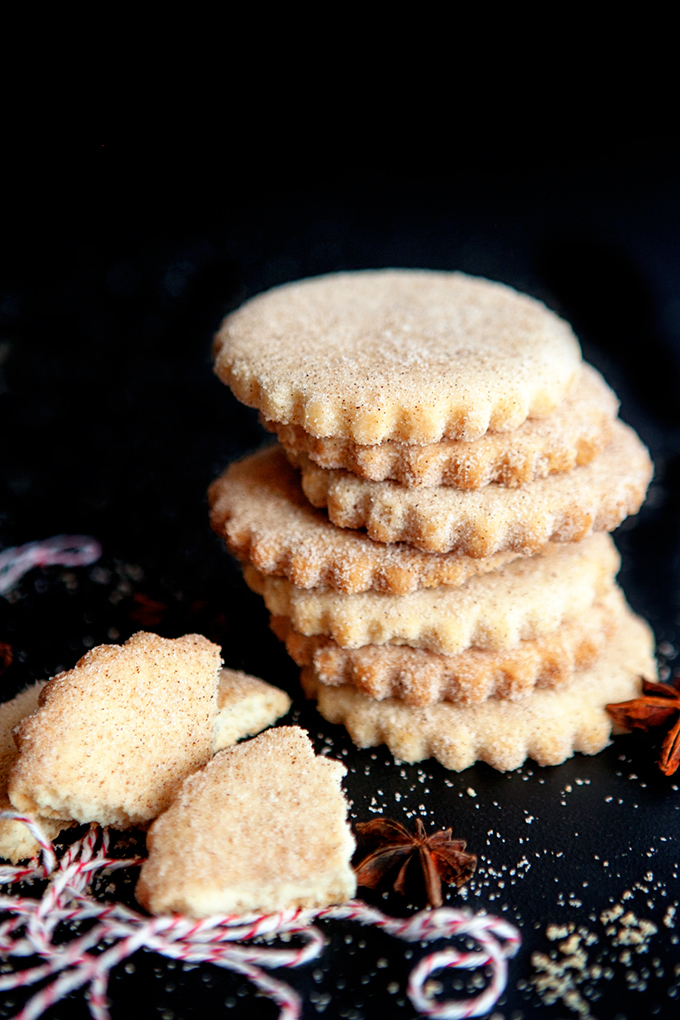
What really amounts to a shortbread cookie, New Mexico just HAAAAAAD to go add a little spice to them with the addition of the tangy anise seed, giving them a distinct, licorice flavor. I don’t typically like licorice or shortbread cookies, but for some reason, these are a must-have for me.
Usually cut into fluted circles, as seen above, or sometimes stars, the cookies are sprinkled with a cinnamon-sugar mix after baking.
Traditionally served during special occasions such as weddings, and especially during the Christmas holidays, bisochitos are often served with hot chocolate or sometimes hot apple cider.
Every year on the first Friday in December, the city hosts a Christmas tree lighting event in Old Town, followed by a luminaria stroll through Old Town. Every year I’ve gone, I’ve found myself in the Blue Portal on Church Street. The proprietors set out platters of biscochitos and hot cider for the customers. It really makes it feel like Christmas on those nights.
And finally, there’s no way I’d talk about New Mexican food without talking about
Carne Adovada
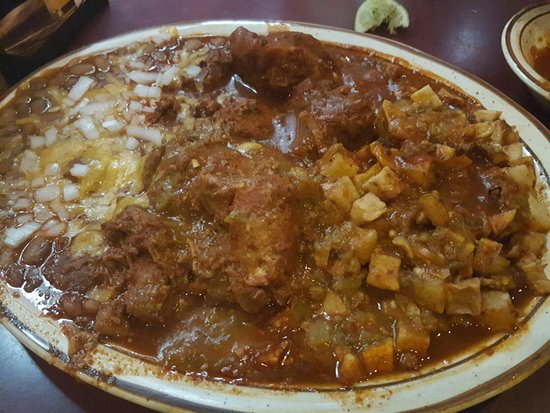
Take the stems and seeds out of your dried red chile pods and simmer them in water for a bit to rehydrate them. Then stick them in a blender with the boiling water and puree them as much as you possibly can. You’re going to be left with some skins and pulp. Strain that out.
Take the pureed and strained chiles and pour it over cubed pork roast. Cover the dish and roast in the oven for a few hours, letting the pork get fall-apart tender.
That, my friends, is carne adovada, my absolute favorite dish from New Mexico.
Carne adovada can be served in burritos, in stuffed sopaipillas or even in breakfast burritos. Regardless of the delivery method, you can’t have it without it being smothered in red chile sauce and cheese.
My go-to at Sadie’s? Carne adovada stuffed sopaipilla. Twister’s? Carne adovada breakfast burrito. Las Cuates? Carne adovada plate. If it’s on the menu, I get it.
I’ve also made carne adovada from scratch on more than one occasion. It’s a lengthy process but so worth it in the end. Everyone that I’ve ever served it to has been absolutely delighted with the results.
To me, nothing SCREAMS New Mexico like carne adovada.
Conclusion
While this is pretty far from an exhaustive list of foods specific to New Mexico, I think it fairly highlights some of the most popular, or at the least, my favorite dishes from New Mexico.
Have you been to New Mexico and tried any of these? Are you FROM New Mexico and think I missed something? What’s your favorite New Mexican dish? Drop a comment below and let’s chat!
Stay tuned for part two when I talk about another aspect of New Mexico that absolutely enchants me.
I’ll leave you with this quote from English poet D.H. Lawrence, who said:
“I think New Mexico was the greatest experience from the outside world that I have ever had.”
Until next time!
-Phil
 nmwanderful.travel.blog
One thought on “Why I Love New Mexico, Part One: The Cuisine”